26/08/2026
If you have ever booked a clearance job and then watched the final bill creep upwards, you will...
When old furniture starts to take over your hallway, basement or spare room, Waste Disposal Clapham is here to clear it quickly and responsibly. Our local furniture disposal service in Clapham covers everything from a single sofa to a full flat or office clear-out, with trained staff doing all the heavy lifting and recycling as much as possible.
We work throughout Clapham, from Victorian terraces off Clapham Common North Side and period conversions along Abbeville Road to modern flats on Clapham High Street and the estates off Clapham Park Road. Whether you live in a top-floor flat with no lift or a ground-floor maisonette, our team will safely remove unwanted furniture with minimal disruption.
Our Environment Agency licensed service ensures your old items are handled properly. We prioritise reuse and recycling, making furniture disposal in Clapham simple, legal and environmentally responsible.
Our bulky item collection in Clapham is suitable for almost any type of household or office furniture. Common items we collect include:
Sofas and armchairs – from small two-seaters to large corner sofas, sofa beds, recliners and armchairs, including difficult stairwells in mansion blocks. Beds and mattresses – single, double, king and super king frames, divans, headboards and mattresses, including dismantling if needed. Wardrobes and bedroom storage – flat-pack wardrobes, solid wood wardrobes, chest of drawers, bedside tables and fitted units that have already been removed from the wall. Tables and chairs – dining tables, coffee tables, side tables, kitchen chairs, bar stools and benches. Cabinets and shelving – TV units, display cabinets, bookcases, sideboards and media storage. Office furniture – desks, office chairs, filing cabinets, conference tables, storage units and shelving from home offices or commercial premises. Other bulky items – ottomans, dressers, shoe racks, nested tables and more.
If you are unsure whether we can take a particular piece, tell us what you have and we will confirm as part of your quote.
Our Clapham bulky item collection service is designed to handle the awkward, heavy or oversized pieces that are difficult to move alone. We regularly help residents on upper floors in converted houses near Clapham Old Town and high-rise blocks closer to Clapham Road and the surrounding estates.
Our trained team will:
Carry out all heavy lifting and loading. Navigate tight staircases and narrow hallways safely. Protect walls and flooring where possible during removal. Disassemble large items when necessary for safe removal. Load everything into our vehicle and take it away for sorting and disposal.
You do not need to drag your furniture to the kerb or communal area; we collect directly from inside your property, garden, garage or office.
When you need furniture gone quickly, our same-day availability can help. Subject to schedules, we can often provide same-day furniture disposal or next-day appointments across SW4, ideal if:
You are moving in or out of a property near Clapham Common or Clapham Junction and need to clear space fast. A delivery of new furniture is due and the old pieces must be removed. You are a landlord or agent preparing a rental in Clapham for new tenants. You have had a clear-out and bulky furniture is now blocking access.
Contact us early in the day for the best chance of securing a same-day slot. We will give you a time window and keep you updated so you know when to expect us.
Waste Disposal Clapham operates under an Environment Agency licence, giving you peace of mind that your furniture is handled in line with UK regulations. We provide a fully compliant area furniture disposal service, protecting you from the risk of fines associated with fly-tipping or unlicensed waste carriers.
Once we collect your items, they are taken to authorised facilities where they are sorted for reuse, recycling or, as a last resort, disposal. We keep clear records of where materials go, so you know your furniture has been dealt with properly.
We aim to divert as much waste as possible away from landfill. Many furniture items collected in Clapham can be broken down into recyclable components such as wood, metal and certain plastics. Soft furnishings may be assessed for reuse or directed to specialist facilities where available.
Our team separates items where practical so materials can be recycled. Frames, metal fittings and wooden panels are prioritised for recycling, helping reduce the environmental impact of bulky item disposal in the area.
Where furniture is in good condition and safe to use, we will always look for opportunities to pass it on for reuse. Depending on suitability and local demand, some items may be directed toward charities or reuse projects operating in and around Clapham.
If you already have a particular local charity in mind and need help getting the furniture to ground level ready for their collection, our team can work around that as part of your booking. We are familiar with the challenges of moving large items out of smaller flats near Clapham Common and the estates further towards Stockwell, and we are happy to provide the muscle to make reuse possible.
Our service is available for both domestic and commercial customers across Clapham. For homes, we help with single items, part-room clearances and full house moves. For businesses, we can remove old desks, chairs, cabinets and reception furniture from offices, studios and shops along Clapham High Street and nearby commercial premises.
We can also support landlords, letting agents and property managers with end-of-tenancy clearances, student accommodation turnarounds and one-off bulky furniture removals between tenancies.
As a local bulky item collection provider in Clapham, we understand the area’s housing, from basement flats off the Common to top-floor conversions in older terraces and newer developments close to the Northern Line. Our crews are used to working in tight spaces, coordinating access and parking where possible, and completing jobs quickly so your day is not disrupted.
If you need dependable, environmentally responsible furniture disposal in Clapham, Waste Disposal Clapham is ready to help. Tell us what you need removed, where you are, and when you would like it gone, and we will provide a clear price and convenient collection time.

GET A FREE QUOTE
Leave the rubbish behind and we’ll take care of it!
Waste Disposal Clapham provides waste disposal in Clapham with a straightforward, practical service for homes, landlords, offices and trade premises. The focus is on removing unwanted items, segregating suitable materials for recovery where possible, and leaving the space ready for its next use. Whether the job involves a single bulky item or a fuller clearance, the service is designed around sensible handling, tidy removal and clear communication.
For many customers, the main need is not simply shifting rubbish away, but arranging a collection that fits the type of waste involved. Domestic waste, furniture, appliances, builders’ debris and mixed clearances can all need different handling, so the service pages below explain the most relevant options in more detail. You can begin with the main overview, then move to the more specific page that matches the material you want removed.
To compare service types and plan the right collection, start with the services overview, then use the dedicated pages for household, commercial or specialist waste. If you already know the job needs a quotation, you can make that next step without having to piece the process together from scratch.
Waste disposal needs often vary by setting. A flat clear-out may involve bags, small furniture and general refuse; a retail or office job may include packaging, old fittings or a build-up of surplus items; a garden project may leave soil, cuttings and weathered materials. The service range is therefore best understood as a set of focused collection options rather than a single fixed job type.
If you are dealing with a routine household load, the domestic waste collection page covers everyday domestic rubbish, while the rubbish collection page is useful when the task is broader and includes mixed items. For larger clearances, the house clearance service is more appropriate, especially where multiple rooms or stored contents need to be removed in an organised way.
In many cases, customers want to compare how a collection differs from a clearance before they decide what to request. A collection is usually the cleaner fit for a defined pile of waste, whereas clearance work tends to suit situations with more varied contents and a wider spread of items. Choosing the closer match helps keep the quotation relevant and makes the booking easier to shape around the actual load.
Some disposal work centres on a few awkward or heavy items rather than a general accumulation of waste. Sofas, wardrobes, beds, cabinets, desks and similar items often need more careful handling than bagged rubbish because of their size, condition and access requirements. A targeted removal is usually the most sensible approach when the main problem is a small number of bulky pieces that still need proper loading and transport.
The furniture disposal and furniture removal pages are useful when the job revolves around household or office furniture rather than general waste. If the items include heavy appliances, the white goods and appliance disposal page explains the type of removal that suits fridges, washing machines and similar units, where careful treatment and correct handling matter.
Garden work can generate a very different sort of load again, with branches, trimmings, hedge cuttings and other green waste collected after pruning or landscaping. The garden waste removal page covers that kind of material, while the builders’ waste disposal page is the better fit for rubble, offcuts and renovation debris. These pages help separate mixed domestic jobs from trade or project waste.
Clearance work is often chosen when a property contains a collection of items rather than a single category of waste. Loft spaces, storage rooms, offices and inherited properties can hold furniture, paperwork, fixtures, packaging and general clutter all at once. In that setting, the aim is not only removal, but a methodical approach that makes the contents easier to sort and deal with in stages.
The loft clearance page covers jobs where access, stairs and awkward storage areas make the work more involved, while the office clearance page suits desks, chairs, filing items and other workplace contents. For more comprehensive property work, the waste clearance page is a useful starting point when you want one service to cover a varied load rather than choosing several separate removals.
Two practical details help most with quoting: the approximate volume of waste and the type of items involved. If access is narrow, if the load is spread over several rooms, or if there are heavy objects that need to be taken down stairs, that affects the work involved. A clear description of the main materials usually gives a better result than a short message that leaves the load uncertain.
Planning a waste disposal job is mostly about matching the collection to the material, access and any separation needed between different waste streams. A mixed pile of household items may be handled differently from builders’ debris or old appliances, and it is often helpful to group items by type before a visit so the load can be assessed more cleanly. That does not mean the customer must prepare everything in advance, only that a little order can make the job easier to describe.
When you are ready to ask for a quotation, the most useful information is the location of the waste, the kinds of items involved and whether there are any access issues such as stairs, a narrow hallway or restricted parking. A photo can also help when the job is visually complicated, but it is not a substitute for a clear description. If you are comparing services, the pricing and quotes page offers a sensible next step for understanding how to request a tailored price.
The overall aim is a collection that fits the actual work, not a generic response. For that reason, simple distinctions matter: household waste, office contents, garden cuttings, construction debris and bulky furniture each create different handling needs. Clarity at the start usually leads to a more accurate quotation and a collection plan that is easier to carry out.
Price is usually shaped by the amount of waste, the kind of material, the time needed to remove it and the complexity of access. Heavier loads, awkward items and mixed waste can all influence the work involved, so a quotation should reflect the specific job rather than a broad average. That is why a service with distinct pages for different waste types is often more useful than a single one-size-fits-all description.
For customers who want to understand the practical side of disposal, the recycling and sustainability page explains the broader approach to recovering suitable materials, while the waste carrier licence and compliance page covers the compliance side of the service. Those pages help separate the handling of waste from the paperwork and responsibility that come with removing it properly.
The insurance and safety page is also relevant where heavier or more awkward items are involved, because safe loading and sensible handling matter on every job. For payment-related detail, the payment and security page sets out the related information, while the prices page gives another route into cost information if you are comparing options before making an enquiry.
Clapham is an area in south London best known for its mix of residential streets, busy transport links and a strong sense of local identity. At its centre is Clapham Common, a large open space that gives the district much of its character and acts as a focal point for walking, sport and informal gatherings. The name Clapham itself appears in historical records from the Domesday Book, and the area later developed from a more rural settlement into a substantial suburban district as London expanded southwards. That long transition is still visible in the built environment, where older terraces, Georgian and Victorian frontages, later mansion blocks and more recent apartment schemes sit alongside one another. The presence of older housing stock gives the area a layered streetscape rather than a uniform look, and many roads away from the main high street retain a quieter, domestic feel. Clapham South, Clapham North and Clapham Common stations connect the district to the Underground network, while Clapham Junction, just beyond the immediate centre, adds a major rail interchange nearby. The area also has a lively cultural and social life, with independent cafés, pubs, gyms and neighbourhood venues contributing to a busy local rhythm. Parks, tree-lined squares and the open common soften the urban setting, and the combination of open land and dense housing makes Clapham feel both metropolitan and distinctly local at the same time.
Business premises tend to produce a different type of waste from domestic properties, especially when an office, shop, workshop or managed building is being emptied. Packaging, shelving, old furniture, archive material and general surplus stock can all appear together, and the work often benefits from a structured approach that keeps the removal orderly. A commercial clearance needs to be practical as well as discreet, particularly where access is shared or there are other occupants in the building.
The commercial waste removal page is the most relevant starting point for businesses, while the office clearance page remains useful where desks, chairs and workplace contents are the main concern. If your job involves a smaller mixed load rather than a full premises clear-out, the rubbish collection option may be the more direct route.
Where a site contains several types of item, it helps to separate what is staying from what is leaving before the collection is arranged. That does not mean the process must be labour-intensive; it simply makes the scope easier to understand. Businesses often benefit from choosing the page that matches the most significant part of the load, then noting any additional material when they ask for a quotation.
Not every waste job needs a broad clearance description. A single appliance, a small pile of garden waste or a few items of furniture is usually better handled through a specific disposal page, while a house, loft or office full of mixed contents is better suited to a clearance page. That distinction is useful because it keeps the service description aligned with the job rather than forcing the wrong category onto it.
If you are still deciding, the waste disposal page gives the broadest overview, while the more specific pages help narrow the choice. For example, builders’ debris belongs on the builders’ waste page, appliances on the appliance disposal page and garden materials on the garden waste page. The about us page can also provide background on how the business presents its services, but the best match for the work itself is usually the page tied to the material you need removed.
When the load is uncertain, think in terms of its dominant type and the amount of handling it will require. If the job is chiefly furniture, pick the furniture page; if it is mostly renovation debris, choose the builders’ waste page; if it is a fuller property clear-out, use the clearance page. That simple choice usually makes the enquiry easier to describe and helps keep the quotation focused on the right service.
If you want waste removed in Clapham and you already know the likely type of job, the quickest approach is to choose the service page that best matches the material, then use that to shape your quotation request. The most useful enquiries name the main item types, the quantity or rough volume, and any access points that matter. That keeps the discussion practical and avoids confusion where several different waste categories are involved.
For a final step, use the contact us page to request a quotation for the collection you need. If you prefer to compare costs first, you can review the prices page beforehand, then return with the details of your job. Choose the page that best fits the waste, then ask for the quote so the response is based on the right service from the outset.
Whether you are clearing one bulky item, arranging a domestic load or dealing with a fuller property clearance, the aim is to make the process clear and manageable from the beginning. Start with the most relevant service, add any useful details about the materials, and send your request when you are ready. If you are comparing options now, the best next move is to pick the right page and ask for your quotation today.
If you have ever booked a clearance job and then watched the final bill creep upwards, you will...

If you have bags piling up in the hallway, a sofa blocking the landing, or building waste that...
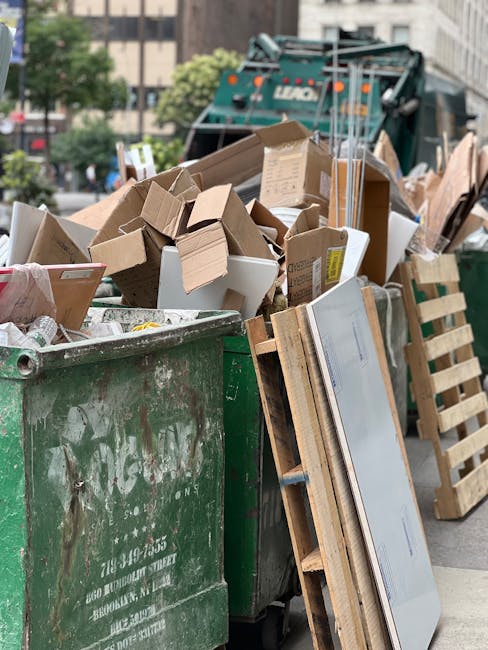
Clapham High Street has a rhythm of its own. Busy pavements, late-opening cafes, flats above...

Investing in real estate is always a significant decision, and choosing the right location can...

If you are planning to sell your property in Clapham, then you should know it is a bustling area...

Clapham is a charming and vibrant suburb located in South London, known for its picturesque...

Clapham, a vibrant and bustling area in South London, offers a myriad of options for celebrations.

 (80)
(80)