Avoid hidden rubbish removal charges in Clapham
Posted on 26/08/2026
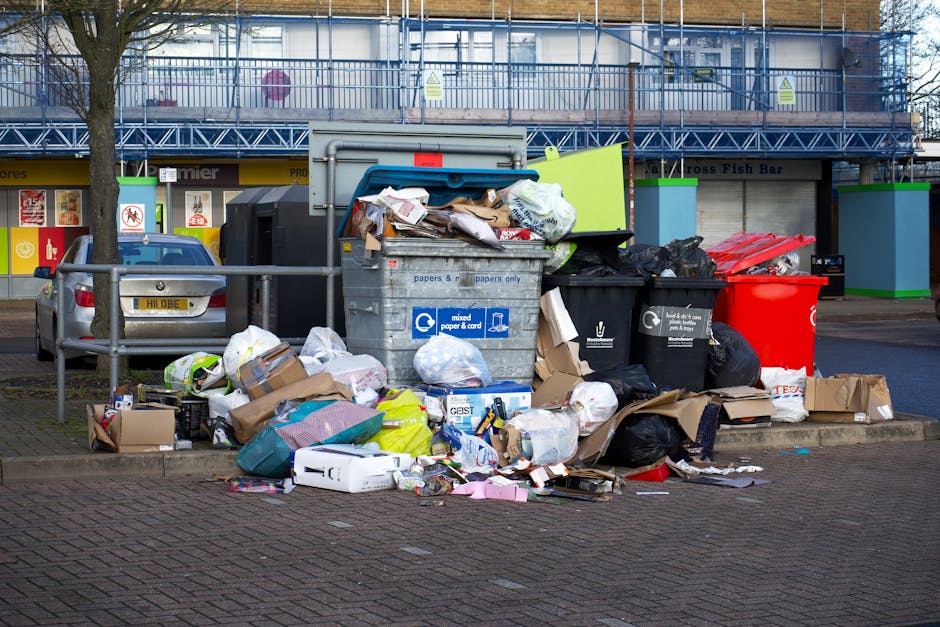
If you have ever booked a clearance job and then watched the final bill creep upwards, you will know why people get nervous about rubbish removal pricing. In Clapham, where homes, flats, rentals, shop units, and renovation projects all create different kinds of waste, it is easy for a quote to look fine on the surface and then quietly expand with extras. This guide shows you how to avoid hidden rubbish removal charges in Clapham, what to ask before booking, and how to spot the small details that often make the biggest difference.
Truth be told, most people do not need a complicated lecture on waste disposal. They need a straightforward way to compare quotes, understand what is included, and avoid awkward surprises on collection day. That is exactly what this article gives you: practical checks, real-world examples, and a local Clapham-focused approach that should make the whole process feel calmer.
Quick takeaway: the safest way to avoid surprise costs is to get a clear written quote, describe your waste honestly, check access and loading conditions, and confirm what happens if the job changes on arrival.
Why Avoid hidden rubbish removal charges in Clapham Matters
Hidden fees are more than a nuisance. They can turn a tidy, predictable clearance into a stressful and expensive job. In a busy part of South London like Clapham, that matters because many jobs are done under time pressure: end-of-tenancy clearances, loft clear-outs, garden waste after a weekend job, or builders waste that needs removing before the next tradesperson arrives.
When pricing is unclear, it is usually the customer who pays for the uncertainty. Extra fees may appear because the waste was heavier than expected, access was awkward, parking took longer than planned, or the collection team classified part of the load differently once they saw it in person. None of that is unusual, but it should be explained clearly before anyone lifts a bag.
That is why clear pricing is not just a nice-to-have. It helps you compare companies properly, avoid disputes, and make a decision based on value rather than guesswork. If you are also comparing service types, it can help to read around the wider service overview so you know whether you need a one-off rubbish collection, a full waste clearance, or something more specialised.
To be fair, the cheapest quote is rarely the cheapest job once hidden extras are added. The real goal is value: a fair price, a clear scope, and no surprises when the van pulls up outside.
How Avoid hidden rubbish removal charges in Clapham Works
The process is simpler than many people expect. Good rubbish removal pricing is usually built from a few basic ingredients: the type of waste, how much there is, how difficult it is to load, where it needs to be taken from, and how quickly it needs to be done. When any of those factors are unclear, quotes can drift.
Most transparent providers will ask for photos, a brief description, access details, and sometimes a preferred time window. The more accurate your information, the more reliable the quote. That might sound obvious, but in practice many hidden charges start because the description was vague: "just a few bits" can mean anything from two bin bags to half a garage.
For example, a small flat clearance in Clapham North might look straightforward until the team arrives and finds three floors of stairs, a narrow hallway, and heavy furniture that cannot be broken down on site. That does not automatically mean a hidden fee is justified, but it does show why a quote needs to reflect the real job.
It also helps to understand the difference between fixed pricing and variable pricing. Fixed pricing is best when the job is well described and access is easy. Variable pricing can be reasonable for larger or less predictable clearances, but the rules should still be explained upfront and kept consistent. If you want to see how pricing information is typically presented, pricing and quotes pages are often the best place to look first.
Key Benefits and Practical Advantages
A clear pricing process gives you more than financial peace of mind. It also saves time, reduces back-and-forth messages, and makes it far easier to schedule a job around work, school runs, or a tight moving date. In Clapham, where many people are juggling flat shares, family life, and busy commutes, that simplicity matters.
- Better budget control: you can plan the job before it starts, rather than reacting to an amended bill.
- Fewer disputes: clear terms make it easier to confirm what was included and what was not.
- Faster decisions: when quotes are easy to compare, you can choose based on actual value.
- Less stress on the day: no one enjoys an argument beside a full driveway or a stairwell full of waste bags.
- Cleaner expectations: you know if labour, loading, disposal, and access charges are already covered.
There is also a quieter benefit: trust. When a company is upfront about pricing, it usually signals a broader respect for the customer. That tends to show up in the rest of the job too, from punctuality to how carefully the crew treats the property.
And if you are dealing with a sensitive situation like a house clearance, bereavement clearance, or a pre-sale tidy-up, that trust counts for a lot. For those kinds of projects, you may find it useful to review house clearance in Clapham and the broader waste clearance approach so the service matches the scale of the job.
Who This Is For and When It Makes Sense
This matters to almost anyone arranging rubbish removal, but a few groups have the most to gain from pricing clarity.
- Homeowners clearing out clutter: lofts, spare rooms, sheds, and garages often contain mixed waste that is easy to underdescribe.
- Renters and landlords: end-of-tenancy jobs can become expensive if white goods, mattresses, or awkward furniture were not mentioned early.
- People selling a home: a clean, uncluttered property can help with viewings, so it is common to need quick, organised removal.
- Builders and trades: builders waste can change during a project, especially if materials, rubble, plasterboard, and timber are mixed.
- Small businesses: office clearances often include desks, chairs, packaging, electronics, and files that need different handling.
Sometimes the biggest risk is not a huge overcharge. It is the small charges that keep stacking up: a call-out fee here, a stair surcharge there, a disposal supplement somewhere else. Before you know it, the job costs far more than the first quote suggested. Sounds familiar? That is the trap people want to avoid.
If your project is business-related, it may also be worth looking at office clearance in Clapham, especially if you are clearing desks or shelving and need a tidy, documented job. For renovation work, builders waste disposal in Clapham is often more appropriate than a generic "rubbish pickup" label.
Step-by-Step Guidance
If you want to reduce the risk of surprise charges, follow a simple process. It is not glamorous, but it works.
- Describe the waste clearly. Say what you have, roughly how much there is, and whether it includes heavy or awkward items.
- Send photos. Good photos help the provider judge the load, access, and any item that may need dismantling.
- Explain access conditions. Mention stairs, narrow corridors, parking restrictions, permit needs, shared entrances, or basement access.
- Ask what is included. Check labour, loading, disposal, congestion, parking, and recycling handling.
- Confirm the pricing model. Ask whether the quote is fixed or subject to review on arrival.
- Request any likely extras in writing. If a charge could apply for a mattress, fridge, extra labour, or late cancellation, get that stated clearly.
- Check the collection window. Same-day or urgent collection can sometimes carry different pricing, so ask before you commit.
- Keep the job description consistent. Do not say "one van load" if you suspect it might be two. That only creates friction later.
A small but important point: if you think the waste might be split between general rubbish, reusable furniture, and recyclable material, say so. Sorting can affect how the job is priced, and it may also help the company process it more responsibly. If sustainability matters to you, it is worth checking the company's recycling and sustainability information too.
Expert Tips for Better Results
These are the little details that tend to save people money, or at least prevent the annoying "oh, actually..." moment at the kerb.
1. Ask for the price structure, not just the headline figure
A low headline number can be misleading if it excludes loading time, heavier waste types, or access issues. Ask, politely but directly, what would change the quote.
2. Be specific about bulky items
One sofa is not the same as a three-piece suite plus a broken wardrobe. Bulky items often need more room, more labour, or different handling. A company that does furniture disposal in Clapham should be able to explain how those items affect pricing.
3. Prepare the waste before the team arrives
If safe to do so, group items together and keep access clear. A tidy job often costs less because loading is faster. It sounds simple. It is simple. Yet it is often forgotten until the van is already outside.
4. Check whether the job is priced by volume or by load
Some providers quote by how much of the van you use; others by item type or estimated weight. Neither is inherently wrong. What matters is knowing which model is being used.
5. Don't leave ambiguity around parking
In Clapham, parking can be the hidden complication nobody mentions at first. If the vehicle cannot park close to the property, labour time and transfer effort can increase. Say this upfront and avoid the awkwardness later.
6. Keep a record of the agreement
Email, message, or quote document - whatever is provided. If the wording is vague, ask for clarification before the work starts. That little bit of admin can save a lot of arguing.
If you want more confidence in the company behind the service, it is sensible to read about the team and standards on the about us page and check insurance and safety details. Not exciting reading, admittedly, but very useful.
Common Mistakes to Avoid
Most hidden charges start with one of a handful of avoidable mistakes. None of them are rare.
- Booking from price alone: the lowest quote can be the least transparent.
- Underestimating the waste: "a few bags" can become a small mountain in the hallway.
- Forgetting access details: stairs, basement flats, and tight mews-style access can change the workload.
- Assuming all items are treated the same: mattresses, fridges, electricals, and builders waste may be priced differently.
- Not asking about cancellation or waiting fees: if you are delayed, that can matter.
- Not confirming whether VAT is included: always ask if the quote is inclusive or exclusive.
- Leaving the quote verbal only: memory is not a contract. It just isn't.
One of the sneakiest mistakes is assuming that a provider will "figure it out on the day." Sometimes they will, but if the job changes materially, the quote may change too. That may be fair, but it should not be a shock.
Also, do not mix up speed with transparency. A same-day team can still be clear and professional. In fact, if the job is urgent, it becomes even more important to be precise from the start. For urgent local collections, some readers also compare with same-day rubbish clearance in SW4 or local trusted guidance from Clapham High Street rubbish removal.
Tools, Resources and Recommendations
You do not need fancy software to avoid hidden rubbish removal charges in Clapham. A phone camera, a notes app, and a healthy amount of scepticism are usually enough.
- Photos of the waste: take a few from different angles so the provider can see depth, height, and item mix.
- Basic room measurements: especially useful for lofts, basements, and tight access routes.
- A simple job list: write down the items to be removed, even if the list is rough.
- Your parking or access notes: mention the street, floor level, and any obvious obstacles.
- Written quote or message trail: keep it all in one place so nothing gets lost.
If you are comparing a few providers, it helps to use the same brief for each one. Otherwise, one quote may seem cheaper simply because it assumed a lighter or easier job. Apples to apples, basically. Old saying, still useful.
For a broader understanding of service scope, waste disposal in Clapham and rubbish collection in Clapham can be useful pages to compare against your needs, especially if you are unsure whether you need clearance, collection, or disposal support.
Law, Compliance, Standards, or Best Practice
Waste removal is not just a pricing issue. It also touches compliance, safety, and environmental responsibility. You do not need to become a legal expert, but you should know the basics.
In the UK, waste carriers should handle waste lawfully, and customers should make sure they are dealing with a legitimate operator. That does not mean you need to inspect every detail yourself, but it does mean you should feel comfortable asking whether the business follows recognised waste handling and disposal practices. If a company seems vague about where waste goes or how it is processed, that is a warning sign, plain and simple.
Best practice usually includes:
- clear written quotes
- honest description of the waste
- safe loading and manual handling
- appropriate segregation of reusable, recyclable, and non-recyclable items
- careful treatment of property and access routes
- transparent communication if the job scope changes
It is also worth looking at how the company describes its compliance approach. A dedicated waste carrier licence and compliance page can give you a sense of how seriously they take the basics. Likewise, if you value digital trust and payment clarity, reviewing payment and security may help you feel more comfortable before booking.
For many people, the most practical legal question is simple: can I trust this company to remove my waste responsibly and quote fairly? If the answer is yes, the job tends to go much more smoothly.
Options, Methods, or Comparison Table
If you are trying to avoid hidden rubbish removal charges in Clapham, the first step is choosing the right type of service. A mismatch between the job and the service is a common reason quotes rise later.
| Option | Best for | Pricing risk | What to clarify |
|---|---|---|---|
| Single-item collection | One bulky item, such as a sofa or mattress | Low to moderate | Item size, floor level, access, and whether help is needed lifting |
| Rubbish collection | Smaller mixed loads and general household waste | Moderate | Bag count, heavy items, parking, and whether the load includes restricted materials |
| Waste clearance | Broader clear-outs with mixed item types | Moderate to higher | Scope, labour time, dismantling, and disposal categories |
| House clearance | Whole-property or room-by-room clearances | Higher if under-described | Room count, access, furniture, white goods, and whether anything is staying behind |
| Builders waste disposal | Renovation debris, rubble, timber, plasterboard, and packaging | Higher | Waste type, weight, contamination, and loading access |
The table is not about choosing the "best" option in the abstract. It is about matching the service to the real job. That is where people save money most often. If you book a small collection for what is really a full clearance, the price will probably shift. Fair enough, but avoidable.
Case Study or Real-World Example
A Clapham resident preparing to move out of a rented flat had a common problem: the place looked fairly tidy, but there was still a double mattress, a broken shelving unit, several black bags, and a pile of leftover bits from a DIY weekend. The first instinct was to ask for "a quick collection."
Instead, they sent photos, listed the items, and mentioned that the flat was on the third floor with no lift. They also explained that parking outside was tight and that the job needed to happen before a checkout inspection the next morning. The quote came back more structured, but also more honest. It included labour, loading, and disposal in one figure, plus a clear note about what would change if extra waste was added.
On the day, nothing dramatic happened. No awkward back-and-forth. No "we didn't know about the stairs." No surprise add-on for the mattress. The job was done efficiently, and the customer could get on with the move. That is the kind of boring success story people actually want. No fuss. No drama. Just a clean handover.
In practice, that is what good pricing looks like: not necessarily the absolute lowest number, but a number that survives contact with reality.
Practical Checklist
Use this before you confirm a booking.
- Have I described every item or waste type clearly?
- Have I sent photos from more than one angle?
- Have I mentioned stairs, parking, and access issues?
- Do I know whether the quote is fixed or adjustable?
- Are labour, loading, and disposal included?
- Have I asked about bulky items, electricals, or special materials?
- Do I know whether VAT is included?
- Have I confirmed the collection day and time window?
- Have I checked cancellation or waiting policies?
- Am I comfortable that the provider is clear about compliance and responsible disposal?
If you can tick most of those off, you are already ahead of many people who book in a rush and hope for the best. Hope is not a pricing strategy, after all.
Conclusion
Avoiding hidden rubbish removal charges in Clapham is mostly about clarity. Clear descriptions, clear photos, clear access details, and clear expectations. That is the pattern. Once you have it, the whole process becomes much easier to manage.
Whether you are clearing a flat in SW4, dealing with builders waste, or arranging a larger house clearance, the same principle applies: ask the right questions early and keep the agreement in writing. It saves money, yes, but it also saves hassle, and that is worth something on a busy week.
If you want a cleaner, more predictable experience, start with the service that best matches your job and make sure the pricing conversation is honest from the outset. A little careful checking now can prevent a surprisingly expensive day later. And honestly, that is the sort of win worth having.
Get a free quote today and see how much you can save.

 Tipper Van - Waste Disposal and Rubbish Removal Prices in Clapham, SW4
 Luton Van - Waste Disposal and Rubbish Removal Prices in Clapham, SW4