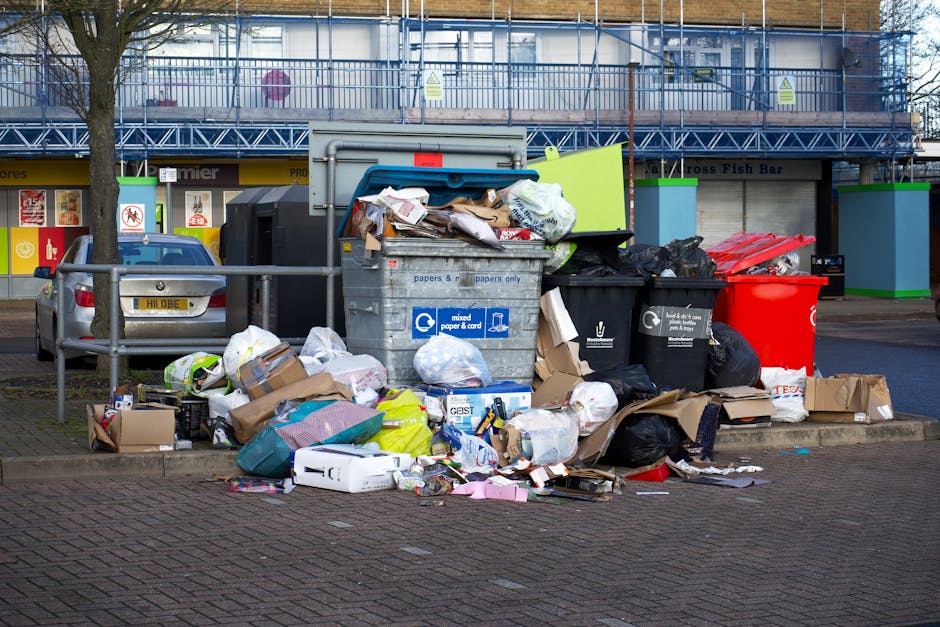
26/08/2026
If you have ever booked a clearance job and then watched the final bill creep upwards, you will...
Waste Disposal Clapham provides a complete, reliable and ethical house clearance service for homes and flats throughout Clapham. From compact studio flats off Clapham High Street to large terraces near Clapham Common and converted Victorian buildings around Clapham North, our team is equipped to clear properties of all sizes quickly, carefully and responsibly.
Whether you need a full house clearance after a move, a partial flat clearance to reclaim space, or sensitive probate clearances after a bereavement, we manage the whole process from start to finish. With a strong focus on recycling, furniture donation and responsible disposal, you can be confident that your unwanted items are handled in the most environmentally friendly way possible.
Our house clearance service covers every type of property in the Clapham area, including terraced houses near Abbeville Road, maisonettes on Clapham Park Road and townhouses tucked away off the Wandsworth Road. We clear cluttered lofts, basements, garages, sheds, as well as all main living areas, kitchens and bedrooms.
We remove furniture, appliances, general household rubbish, bric a brac, clothing, books, electronics and most other household contents. Our team is trained to work efficiently while respecting your home, your neighbours and any shared communal areas, particularly in blocks of flats and larger estates.
Clapham has a wide mix of apartment buildings, from modern developments near Clapham Junction to older mansion blocks and converted houses along Clapham Common North Side and South Side. Our flat clearance service is designed specifically for these types of properties.
We regularly clear first floor conversions, top floor studios in Victorian terraces, purpose built flats on local estates and newly built apartments with lift access. Our team is experienced in working in narrow stairwells, communal corridors and limited parking areas, ensuring minimal disruption to other residents.
We liaise with building managers or concierge where needed, follow any estate rules and take additional care to leave hallways, lifts and entrances tidy and free from debris once the flat clearance is complete.
Not every property needs to be emptied from top to bottom. Waste Disposal Clapham offers both full and partial clearance options, giving you flexibility depending on your situation.
Full clearance is ideal when selling a property, preparing a rental, handling an estate, or moving into a new home that has been left furnished. We remove all agreed items, leaving the property empty and ready for cleaning, renovation or immediate marketing.
Partial clearance is perfect if you simply want to reclaim a spare room, declutter a loft, clear one or two bulky items, or prepare a single area such as a garden or shed. Tell us which rooms or items you want removed and our team will focus solely on those areas, leaving everything else untouched.
Probate clearances require sensitivity, care and attention to detail. When a loved one has passed away and their home in Clapham, Clapham South or the surrounding streets needs to be cleared, we work closely with families, executors and solicitors to make the process as straightforward as possible.
We can carry out an initial visit to assess the property, discuss which items should be kept, donated, recycled or disposed of, and then provide a clear plan of action. During the probate clearance, our team carefully sets aside any personal documents, photographs or sentimental items that may have been overlooked.
We understand that many probate clearances involve older terraced houses, long term rented flats and family homes that have accumulated decades of belongings. Our experienced staff work respectfully and methodically, ensuring the property is cleared in line with your wishes and any deadlines associated with the estate.
Waste Disposal Clapham is committed to reducing the amount of material sent to landfill. When we carry out a house or flat clearance, we sort items carefully to maximise reuse and recycling. Furniture that is in good condition is prioritised for donation to local charities and community schemes where possible.
Sofas, tables, wardrobes, chests of drawers, beds and other furniture from homes in and around Clapham Old Town, Lavender Hill and surrounding streets are assessed on site. Reusable items are separated from those that are damaged beyond repair. We also recycle metal bed frames, white goods, electrical items and as many other materials as possible in line with current regulations.
Our ethical disposal approach means that your house clearance not only makes your property more liveable and presentable but also supports the wider community and reduces environmental impact.
To ensure good quality items are given a second life, we work with a network of donation partners and local charities. When we clear a property on streets like Clapham Manor Street or around the estates off Kings Avenue, we always look for opportunities to pass on furniture, household items and bric a brac that can still be used.
This approach helps local families and individuals while reducing waste. Many items from house clearances such as nearly new sofas, dining sets, books, toys and kitchenware can be valuable to others. By donating where possible, we make sure your unwanted belongings are put to positive use.
The Clapham area includes an impressive mix of property styles and sizes, and our house clearance service is tailored to work efficiently in all of them. We regularly clear:
Traditional terraced houses on quiet residential streets, often with basements, attics and outbuildings.
Converted flats within larger Victorian and Georgian properties that line many of Clapham's leafy roads.
Purpose built flats on local estates and modern developments near key transport links.
Studio apartments and compact homes where careful planning is needed to move items through tight hallways and staircases.
Whatever type of property you have, our team plans the clearance around access, parking and any specific constraints of your home, ensuring a smooth and efficient service.
Choosing the right company for a house or flat clearance is essential, especially when you are dealing with time pressures, emotional circumstances or complex properties. Waste Disposal Clapham combines local knowledge, professional standards and ethical practices to deliver a dependable service across the area.
We are familiar with the layout of key roads, estates and residential pockets throughout Clapham, which helps us plan access and timings. Our staff are fully trained, uniformed and respectful, and we always aim to leave properties and communal areas clean and tidy once the clearance is finished.
From the first call to the final item being removed, we focus on clear communication, responsible disposal and a hassle free experience. Whether you need a single room cleared in a flat near Clapham North or a full probate clearance of a family house near Clapham Common, Waste Disposal Clapham is ready to help.

GET A FREE QUOTE
Leave the rubbish behind and we’ll take care of it!
Waste Disposal Clapham provides waste disposal in Clapham with a straightforward, practical service for homes, landlords, offices and trade premises. The focus is on removing unwanted items, segregating suitable materials for recovery where possible, and leaving the space ready for its next use. Whether the job involves a single bulky item or a fuller clearance, the service is designed around sensible handling, tidy removal and clear communication.
For many customers, the main need is not simply shifting rubbish away, but arranging a collection that fits the type of waste involved. Domestic waste, furniture, appliances, builders’ debris and mixed clearances can all need different handling, so the service pages below explain the most relevant options in more detail. You can begin with the main overview, then move to the more specific page that matches the material you want removed.
To compare service types and plan the right collection, start with the services overview, then use the dedicated pages for household, commercial or specialist waste. If you already know the job needs a quotation, you can make that next step without having to piece the process together from scratch.
Waste disposal needs often vary by setting. A flat clear-out may involve bags, small furniture and general refuse; a retail or office job may include packaging, old fittings or a build-up of surplus items; a garden project may leave soil, cuttings and weathered materials. The service range is therefore best understood as a set of focused collection options rather than a single fixed job type.
If you are dealing with a routine household load, the domestic waste collection page covers everyday domestic rubbish, while the rubbish collection page is useful when the task is broader and includes mixed items. For larger clearances, the house clearance service is more appropriate, especially where multiple rooms or stored contents need to be removed in an organised way.
In many cases, customers want to compare how a collection differs from a clearance before they decide what to request. A collection is usually the cleaner fit for a defined pile of waste, whereas clearance work tends to suit situations with more varied contents and a wider spread of items. Choosing the closer match helps keep the quotation relevant and makes the booking easier to shape around the actual load.
Some disposal work centres on a few awkward or heavy items rather than a general accumulation of waste. Sofas, wardrobes, beds, cabinets, desks and similar items often need more careful handling than bagged rubbish because of their size, condition and access requirements. A targeted removal is usually the most sensible approach when the main problem is a small number of bulky pieces that still need proper loading and transport.
The furniture disposal and furniture removal pages are useful when the job revolves around household or office furniture rather than general waste. If the items include heavy appliances, the white goods and appliance disposal page explains the type of removal that suits fridges, washing machines and similar units, where careful treatment and correct handling matter.
Garden work can generate a very different sort of load again, with branches, trimmings, hedge cuttings and other green waste collected after pruning or landscaping. The garden waste removal page covers that kind of material, while the builders’ waste disposal page is the better fit for rubble, offcuts and renovation debris. These pages help separate mixed domestic jobs from trade or project waste.
Clearance work is often chosen when a property contains a collection of items rather than a single category of waste. Loft spaces, storage rooms, offices and inherited properties can hold furniture, paperwork, fixtures, packaging and general clutter all at once. In that setting, the aim is not only removal, but a methodical approach that makes the contents easier to sort and deal with in stages.
The loft clearance page covers jobs where access, stairs and awkward storage areas make the work more involved, while the office clearance page suits desks, chairs, filing items and other workplace contents. For more comprehensive property work, the waste clearance page is a useful starting point when you want one service to cover a varied load rather than choosing several separate removals.
Two practical details help most with quoting: the approximate volume of waste and the type of items involved. If access is narrow, if the load is spread over several rooms, or if there are heavy objects that need to be taken down stairs, that affects the work involved. A clear description of the main materials usually gives a better result than a short message that leaves the load uncertain.
Planning a waste disposal job is mostly about matching the collection to the material, access and any separation needed between different waste streams. A mixed pile of household items may be handled differently from builders’ debris or old appliances, and it is often helpful to group items by type before a visit so the load can be assessed more cleanly. That does not mean the customer must prepare everything in advance, only that a little order can make the job easier to describe.
When you are ready to ask for a quotation, the most useful information is the location of the waste, the kinds of items involved and whether there are any access issues such as stairs, a narrow hallway or restricted parking. A photo can also help when the job is visually complicated, but it is not a substitute for a clear description. If you are comparing services, the pricing and quotes page offers a sensible next step for understanding how to request a tailored price.
The overall aim is a collection that fits the actual work, not a generic response. For that reason, simple distinctions matter: household waste, office contents, garden cuttings, construction debris and bulky furniture each create different handling needs. Clarity at the start usually leads to a more accurate quotation and a collection plan that is easier to carry out.
Price is usually shaped by the amount of waste, the kind of material, the time needed to remove it and the complexity of access. Heavier loads, awkward items and mixed waste can all influence the work involved, so a quotation should reflect the specific job rather than a broad average. That is why a service with distinct pages for different waste types is often more useful than a single one-size-fits-all description.
For customers who want to understand the practical side of disposal, the recycling and sustainability page explains the broader approach to recovering suitable materials, while the waste carrier licence and compliance page covers the compliance side of the service. Those pages help separate the handling of waste from the paperwork and responsibility that come with removing it properly.
The insurance and safety page is also relevant where heavier or more awkward items are involved, because safe loading and sensible handling matter on every job. For payment-related detail, the payment and security page sets out the related information, while the prices page gives another route into cost information if you are comparing options before making an enquiry.
Clapham is an area in south London best known for its mix of residential streets, busy transport links and a strong sense of local identity. At its centre is Clapham Common, a large open space that gives the district much of its character and acts as a focal point for walking, sport and informal gatherings. The name Clapham itself appears in historical records from the Domesday Book, and the area later developed from a more rural settlement into a substantial suburban district as London expanded southwards. That long transition is still visible in the built environment, where older terraces, Georgian and Victorian frontages, later mansion blocks and more recent apartment schemes sit alongside one another. The presence of older housing stock gives the area a layered streetscape rather than a uniform look, and many roads away from the main high street retain a quieter, domestic feel. Clapham South, Clapham North and Clapham Common stations connect the district to the Underground network, while Clapham Junction, just beyond the immediate centre, adds a major rail interchange nearby. The area also has a lively cultural and social life, with independent cafés, pubs, gyms and neighbourhood venues contributing to a busy local rhythm. Parks, tree-lined squares and the open common soften the urban setting, and the combination of open land and dense housing makes Clapham feel both metropolitan and distinctly local at the same time.
Business premises tend to produce a different type of waste from domestic properties, especially when an office, shop, workshop or managed building is being emptied. Packaging, shelving, old furniture, archive material and general surplus stock can all appear together, and the work often benefits from a structured approach that keeps the removal orderly. A commercial clearance needs to be practical as well as discreet, particularly where access is shared or there are other occupants in the building.
The commercial waste removal page is the most relevant starting point for businesses, while the office clearance page remains useful where desks, chairs and workplace contents are the main concern. If your job involves a smaller mixed load rather than a full premises clear-out, the rubbish collection option may be the more direct route.
Where a site contains several types of item, it helps to separate what is staying from what is leaving before the collection is arranged. That does not mean the process must be labour-intensive; it simply makes the scope easier to understand. Businesses often benefit from choosing the page that matches the most significant part of the load, then noting any additional material when they ask for a quotation.
Not every waste job needs a broad clearance description. A single appliance, a small pile of garden waste or a few items of furniture is usually better handled through a specific disposal page, while a house, loft or office full of mixed contents is better suited to a clearance page. That distinction is useful because it keeps the service description aligned with the job rather than forcing the wrong category onto it.
If you are still deciding, the waste disposal page gives the broadest overview, while the more specific pages help narrow the choice. For example, builders’ debris belongs on the builders’ waste page, appliances on the appliance disposal page and garden materials on the garden waste page. The about us page can also provide background on how the business presents its services, but the best match for the work itself is usually the page tied to the material you need removed.
When the load is uncertain, think in terms of its dominant type and the amount of handling it will require. If the job is chiefly furniture, pick the furniture page; if it is mostly renovation debris, choose the builders’ waste page; if it is a fuller property clear-out, use the clearance page. That simple choice usually makes the enquiry easier to describe and helps keep the quotation focused on the right service.
If you want waste removed in Clapham and you already know the likely type of job, the quickest approach is to choose the service page that best matches the material, then use that to shape your quotation request. The most useful enquiries name the main item types, the quantity or rough volume, and any access points that matter. That keeps the discussion practical and avoids confusion where several different waste categories are involved.
For a final step, use the contact us page to request a quotation for the collection you need. If you prefer to compare costs first, you can review the prices page beforehand, then return with the details of your job. Choose the page that best fits the waste, then ask for the quote so the response is based on the right service from the outset.
Whether you are clearing one bulky item, arranging a domestic load or dealing with a fuller property clearance, the aim is to make the process clear and manageable from the beginning. Start with the most relevant service, add any useful details about the materials, and send your request when you are ready. If you are comparing options now, the best next move is to pick the right page and ask for your quotation today.
If you have ever booked a clearance job and then watched the final bill creep upwards, you will...

If you have bags piling up in the hallway, a sofa blocking the landing, or building waste that...
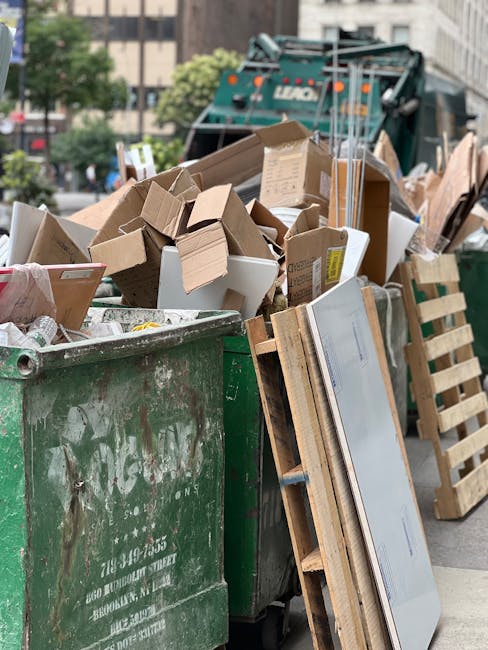
Clapham High Street has a rhythm of its own. Busy pavements, late-opening cafes, flats above...

Investing in real estate is always a significant decision, and choosing the right location can...

If you are planning to sell your property in Clapham, then you should know it is a bustling area...

Clapham is a charming and vibrant suburb located in South London, known for its picturesque...

Clapham, a vibrant and bustling area in South London, offers a myriad of options for celebrations.

 (80)
(80)